
Table of Contents
The short answer is no. While knife block sets look impressive and seem convenient, you'll get better value and higher quality knives by buying individual pieces and storing them on a magnetic strip instead of a wooden knife block.
Why Most Knife Sets Are Poor Value
Walk into any kitchenware shop and you'll find knife block sets containing anywhere from eight to fifteen pieces. A typical set includes a chef's knife, paring knife, bread knife, utility knife, serrated utility knife, santoku knife, carving knife, boning knife, filet knife, nakiri knife, kitchen shears, steak knives, and a honing steel. That sounds comprehensive, but here's the problem: you won't use most of these knives.
Professional chefs and experienced home cooks know that three or four quality knives handle nearly all kitchen tasks. A good chef's knife does most of your food prep work. Add a serrated bread knife for crusty loaves and a paring knife for detailed work, and you've covered 90% of your needs. That filleting knife? It'll gather dust unless you regularly prepare whole fish. The included knife sharpener is usually poor quality compared to standalone options.
When you buy a knife set, you're paying for knives you don't need. That money would be better spent on fewer, high quality knives that you'll actually use daily.
Better Quality When You Buy Individual Knives

Buying individual knives means you can choose the best option for each knife type. Want a premium chef's knife made from high carbon stainless steel? You can invest properly in one excellent blade. For example, Mac knives UK produces exceptional Japanese knives with harder steel and superior sharpness that hold an edge far longer than most set knives.
Knife manufacturers put their best work into flagship models of essential kitchen knives. When they create a block set at a specific price point, they compromise on materials and construction to include all the knives. The result? Average quality across the board instead of excellence where it matters.
By selecting individual knives, you control exactly what you get. Choose the blade profile that suits your cutting style. Pick handles that offer a comfortable grip for your hand size. Select Japanese steel if you want razor-sharp edges, or opt for slightly softer stainless steel if you prefer easier maintenance. You're not stuck with one manufacturer's decisions about what belongs in your kitchen.
Why Magnetic Strips Beat Knife Blocks
Wooden knife blocks have several problems. The slots harbour bacteria and moisture, which is difficult to clean properly. They take up valuable counter space. Worse, they can actually damage your knives - inserting and removing blades from tight slots can chip edges or catch on flush rivets. Not everyone has the counter space for a bulky block either.
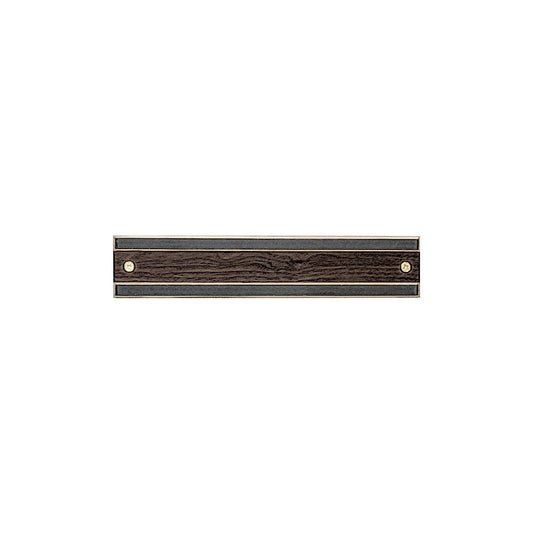
A magnetic knife strip solves all these issues. Your sharp knives stay visible and accessible, making it easy to grab the right knife for each task. The open storage keeps blades in tip top condition with proper air circulation. There's no moisture buildup that can damage even stainless steel over time.
Magnetic strips also grow with your collection. Start with three essential knives. Add a versatile knife like a santoku knife or nakiri knife later when you need it. You're not limited by predetermined slots in a block set.
Building Your Knife Collection Properly
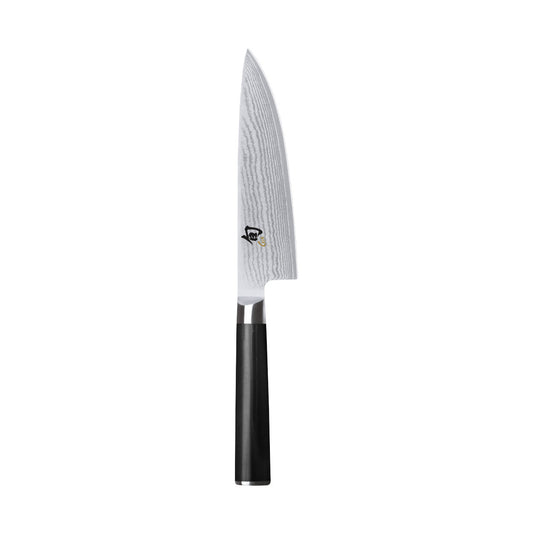
Start with a quality chef's knife. This is your workhorse for chopping vegetables, slicing cooked meat, breaking down a butternut squash, and handling soft bones in poultry. Look for a full tang blade with an ergonomic handle and comfortable grip. Spend £80-150 here - it's worth it for a knife you'll use daily.
Next, add a paring knife for precision tasks like peeling, trimming, and crushing garlic cloves. A small paring knife set might include two sizes, which is useful for different jobs. Expect to pay £30-60 for a good one.
Third, get a serrated bread knife. The serrated edge cuts through crusty bread without crushing it, and also works well on soft fruits and tomatoes. Budget £40-80.
These three knives - chef's knife, paring knife, and serrated bread knife - handle most tasks. Put them on your magnetic strip above your cutting board or chopping board, and you're set for daily meal prep.
Add specialised knives only when you need them. If you regularly carve roasts, invest in a proper carving knife. Break down meat often? Get a boning knife. The key is buying the only knife types you'll actually use, not filling slots in a predetermined set.
Don't forget a honing rod or honing steel to maintain your edges between professional sharpenings. This keeps your kitchen knives performing at their best.
The Real Cost Comparison
A typical knife block set costs £150-300. For that money, you get eight to twelve knives, most of which you won't use. The quality is often mediocre because manufacturers spread costs across all the knives.
Buying individual knives might look more expensive initially. A quality chef's knife costs £100-150, a paring knife £40, and a bread knife £50. That's £190 for three knives versus £200 for a twelve-piece set.
But you're getting high end knives made from better materials like damascus steel or Japanese steel, with proper full tang construction and better edge retention. You'll use these three knives constantly, while seven knives in that block set would sit unused. You're also not wasting money on a substandard knife sharpener or poor-quality steak knives.
As your needs expand, add one knife at a time. Each purchase is deliberate, choosing the best option for that specific knife type rather than accepting whatever came in the box.
Storage Solutions for Your Knives

A magnetic strip is the best storage option for most kitchens. You can mount it on the wall above your work surface or choose a model designed to fit inside a drawer if wall mounting doesn't suit your space. Both keep your knives secure and protected.
Avoid storing nice knives loose in a cutlery drawer where blades bang against other utensils and dull quickly. If you must use drawer storage and don't want a magnetic strip, use individual blade guards to protect both the knife edge and your fingers.
Whatever storage you choose, keep your knives accessible. When your best kitchen knives are easy to reach, you'll use the appropriate tool for each job instead of making do with whatever's handy.
The Bottom Line
Knife block sets look neat and feel like good value, but they're not. You'll get better knives, save money on unused pieces, and have more flexibility by buying individual knives and storing them on a magnetic strip.
Start with the essentials - chef's knife, paring knife, and bread knife. Add specialised knives only when your cooking demands them. Choose each knife based on quality, not because it came in a set. Your cooking will improve, your knives will last longer, and you won't waste money on tools you never use.
FAQ
Common questions answered